

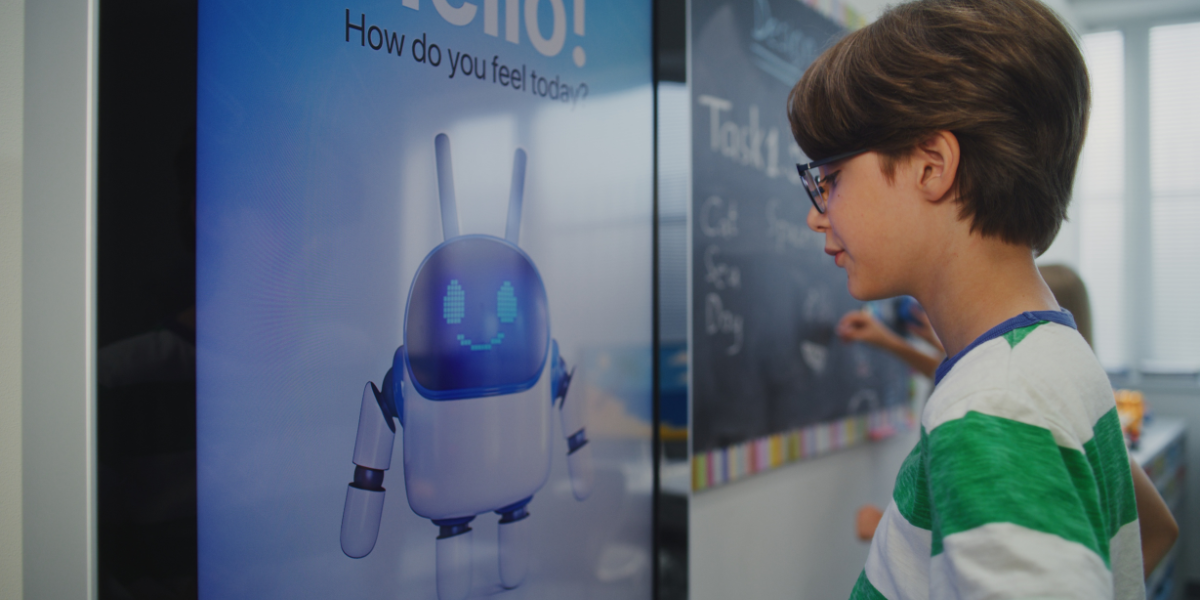
How AI is changing childhood
Artificial intelligence has reshaped how children learn, explore, and connect. Voice assistants, search engines, homework helpers, and video recommendations are part of daily life for many young people.
This technology offers opportunities and introduces new risks.
Many parents and caregivers don’t realize how frequently children interact with AI-driven tools. Chatbots, generative text platforms, social media filters, and personalized recommendations quietly shape what children see, how they process information, and what they accept as truth.
Adults need to stay informed and engaged.
What makes AI different
Artificial intelligence learns from patterns and adapts based on behavior. It doesn’t always produce accurate or appropriate results.
With traditional media, adults could generally predict what a child might encounter. AI systems can lead children in unexpected directions with just a few clicks. Algorithms might begin with age-appropriate content, then gradually suggest more extreme or inappropriate material. This happens most often when systems prioritize engagement over safety.
AI tools can also impersonate voices, create convincing fake images, and generate conversations that appear human. These capabilities make it easier for individuals with harmful intentions to conceal their identity and manipulate children online.
What parents and caregivers can do
You don’t need technical expertise to support a child’s safety. You do need to stay involved and ask questions. Here are some starting points:
- Talk about how AI works. Help children understand that online content isn’t always accurate, and people aren’t always who they claim to be. Explain that some tools are designed to capture attention rather than educate or protect.
- Review devices and platforms together. Examine the apps, websites, and games your child uses. Check settings related to personalized content or data collection. Many platforms provide parental tools to filter, limit, or monitor AI-generated content.
- Teach healthy skepticism. Encourage children to pause when something feels off. A realistic-looking image or convincing message isn’t necessarily true or safe.
- Model responsible tech use. Children learn from what they observe. Let them see you taking screen breaks, asking questions, and thinking critically about content.
- Keep the conversation going. Technology evolves constantly, and so does your child. Check in regularly. Listen actively. Make sure they know they can come to you with questions, concerns, or uncomfortable online experiences.
How the Beau Biden Foundation can help
Our internet safety workshops for children and adults address AI tools, digital boundaries, and red flags in online interactions. We also offer free resources to help families and youth-serving professionals stay current.
Technology will continue advancing. With the right tools, conversations, and support, we can help children navigate a digital world that’s always learning. Explore our workshops and resources.



